Coffee Readings with Beril - Spiritual Guidance
History of Turkish Coffee
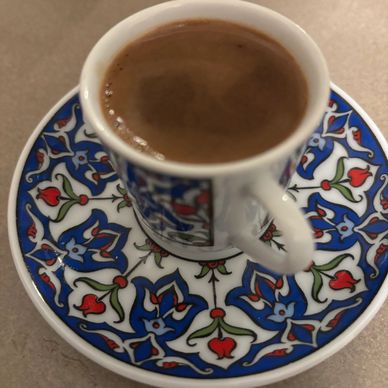
Turkish coffee is not a type of bean, but an ancient brewing method that dates back centuries. Finely ground coffee is simmered in a cezve, a small copper pot, over open fire or hot sand for precise, even heat. This unique technique creates a rich, velvety coffee that has captivated cultures worldwide.
Origins

The story of Turkish coffee begins in 15th-century Yemen, where Sufi monasteries discovered coffee’s ability to sustain them during long nights of devotion. Early coffee culture emerged in Mocha, spreading as Ethiopians introduced coffee beans to the Arab world. Boiled into a beverage called qahwa, coffee became both a spiritual and social ritual.
Ottomans Meet Coffee

When the Ottomans brought coffee beans from Yemen to Istanbul around 1554, Turkish coffee culture was born. Initially a luxury enjoyed by the elite, it quickly became a symbol of hospitality, friendship, and connection across Ottoman society. Coffeehouses flourished, especially in Istanbul’s Tahtakale district, where roasting and grinding became an art form.
Coffee was not welcomed all the time
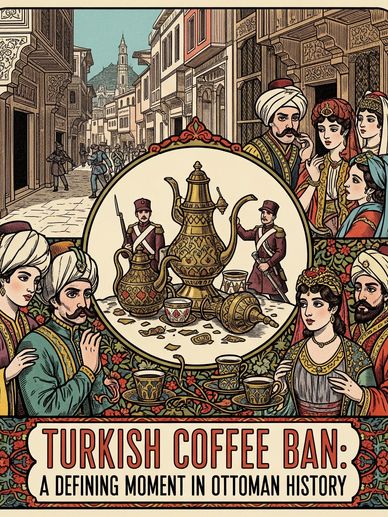
Despite its popularity, Turkish coffee was not always welcomed, as some Ottoman sultans viewed coffeehouses as centers of rebellion. Sultan Murad IV famously banned coffee, employing secret police to enforce the law, marking the first recorded prohibition of the beverage. Even in Europe, Turkish coffee faced temporary bans, such as claims of papal disapproval.
European Fascination with Coffee
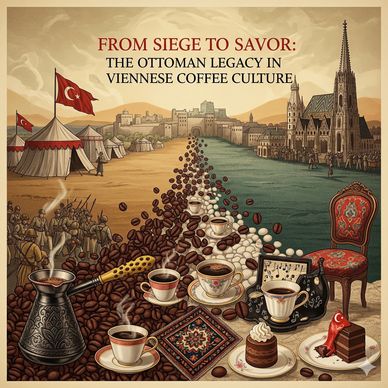
Turkish coffee profoundly influenced European coffee culture, inspiring the first coffeehouses in Venice, London, and Paris. Venice opened Bottega del Caffè in 1645, while England’s “penny universities” offered spaces for debate and social exchange, rooted in Ottoman traditions. By 1672, Parisian society had embraced Turkish coffee, introducing its ceremonial warmth to European culture.
Endless Ritual: Turkish Coffee in Modern Times
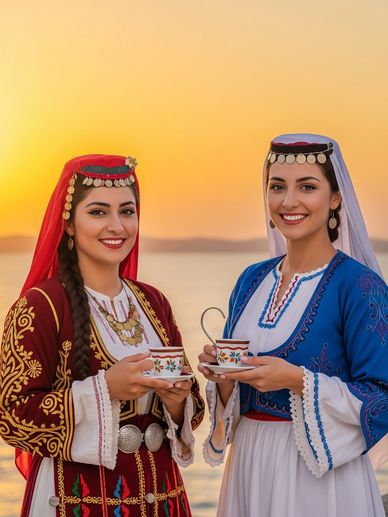
Across the Ottoman realm—from the Middle East to the Balkans and Eastern Europe—Turkish coffee evolved uniquely in each region. Malta’s kafe msajjar, for example, blends Ottoman-style brewing with local spices like cinnamon and anise, served alongside traditional sweets. Today, Turkish coffee continues to be a daily ritual, cherished for its rich flavor and cultural heritage.